Cover the main plains and dam roads at sunrise, with time for quick scans for rhinos, giraffes, zebras, and moving predators.
Opening hours and best times to visit Nairobi National Park
How long should I spend at Nairobi National Park?
Nairobi National Park is compact compared with Kenya’s remote reserves, but it still covers 117 sq km (45 sq mi) and wildlife keeps moving. The time you need depends on whether you want a quick skyline safari, a fuller cross-park circuit, or a slower day built around repeated sightings.
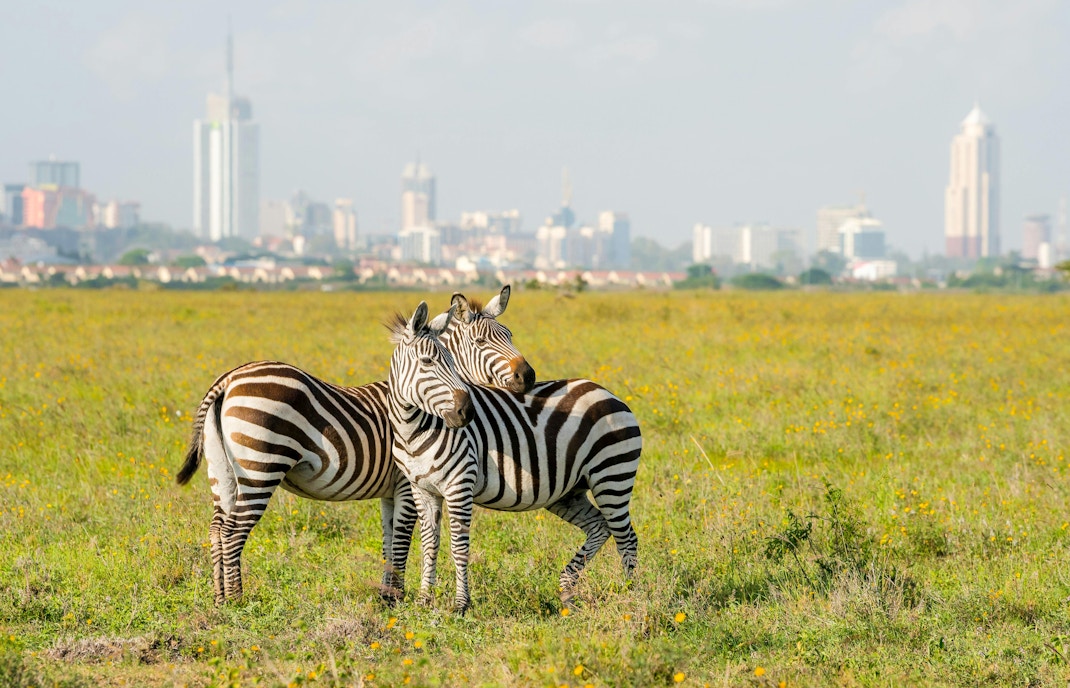
In 2–3 hours
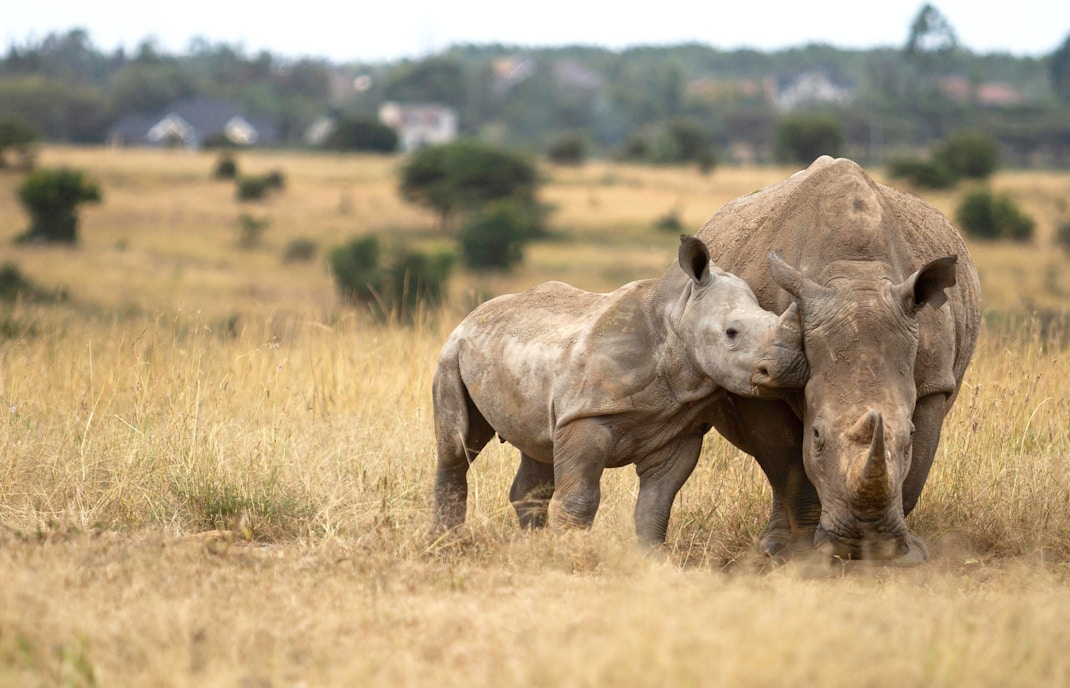
In 5 hours
Complete a fuller circuit with longer photo stops and better odds of spotting black rhinos, buffaloes, giraffes, lions, or cheetahs without rushing.
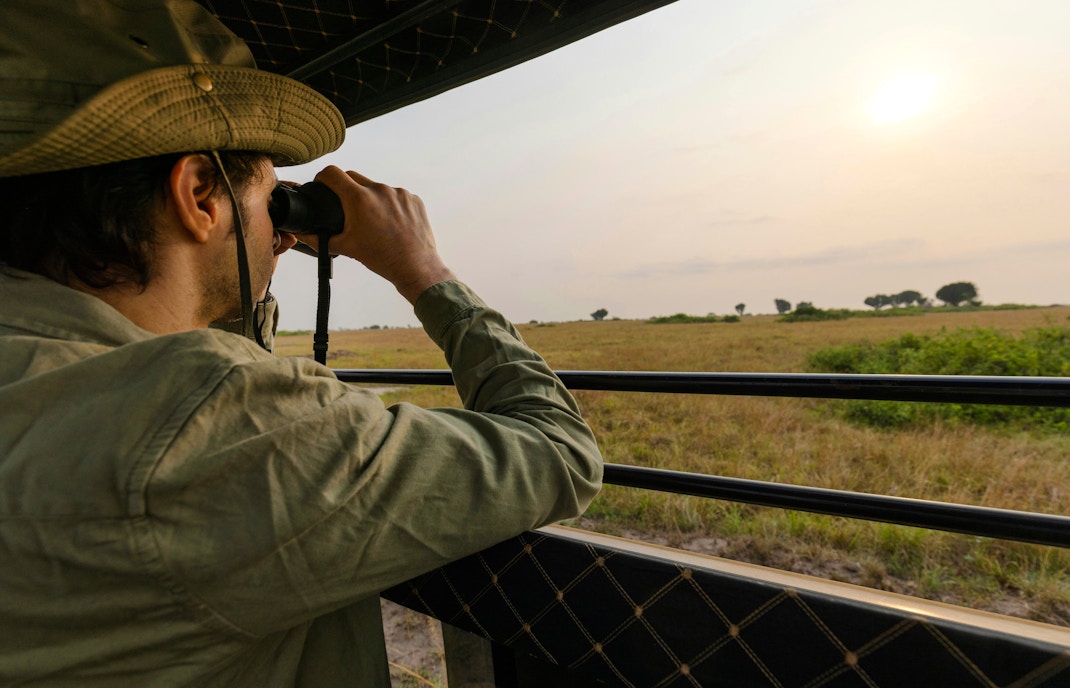
In a full day
Revisit productive areas after the morning peak, pause through midday heat, and wait out changing animal movement at water sources.
Frequently Asked Questions about Nairobi National Park opening hours
Yes, but the experience changes. After 9am, big cats are more likely to rest in shade, so late-morning drives are usually better for rhinos, giraffes, buffaloes, and clear skyline photography than active predator sightings.
Be ready 15–20 minutes early. The Sunrise Half-Day Nairobi National Park Game Drive Safari with Hotel Transfers begins with a 5:30am pickup, and even a short delay can eat into the coolest, most active predator hours.
Yes, if you start early. Public viewing at David Sheldrick Elephant Orphanage runs only from 11am to 12pm, so combo itineraries work best when your park drive begins at dawn rather than after the city’s morning traffic builds.
After a dawn drive is usually smarter. Nairobi Safari Walk takes about 1.5–2 hours on foot, and using late morning for the boardwalk lets you preserve the park’s best wildlife-viewing window for the game drive.
Usually, yes, if your layover is comfortably long. A 5-hour safari can fit more neatly than a full-day outing, but you should still leave generous time for airport transfers, security, and paying park fees before returning to JKIA.
Yes. In the rainy months, black-cotton tracks can turn muddy and visibility drops as grass grows taller, so dawn departures become even more valuable. If heavy rain falls overnight, a 4x4 Jeep is usually the safer choice.
Yes. Afternoon light can be warmer and softer for skyline shots, but animal movement is usually slower than at dawn. If you care more about atmosphere than action, a later drive can still work well.
Yes. Several Headout safaris note that Nairobi National Park fees are paid separately, so having your passport or ID ready helps you clear entry formalities faster and protects the early-morning wildlife window you’re paying for.


