Budget 3–4 hours for a focused visit, and closer to 5 if you want multiple wildlife checks, slower photography stops, and time to wait out promising sightings. The biggest variable is timing: sunrise covers similar ground more productively because lions, hyenas, cheetahs, and rhinos are still active before the heat builds.
Is Nairobi National Park worth visiting?
At first light, Nairobi National Park feels improbable. You’re watching giraffes step through open grass, rhinos graze in the middle distance, and, behind them, the city’s towers hang on the horizon. That contrast gives the drive a tension and immediacy most parks cannot match.
The park was protected in 1946 to preserve wildlife habitat on Nairobi’s edge before the city swallowed it. That founding purpose still shapes the experience: this is not wilderness for wilderness’s sake, but a refuge under pressure.
What stays with most visitors is the collision of scales: lion country against commuter skyline, black rhinos minutes from downtown. You leave with a sharper sense of how fragile open land is, and how unusual it is to see conservation holding its ground inside a capital.
Skip it if: you want a deep-bush safari with no city noise, or you dislike long game drives where sightings can never be guaranteed.
What to see at Nairobi National Park?

1/6
Open plains and skyline
The first visual jolt of the park: giraffes, zebra, and buffalo moving across short grass with Nairobi’s towers behind them. Go early, when the light is low and the city haze is gentler for photography.
Black rhino country
Nairobi National Park is one of Kenya’s most reliable places to spot black rhinos without a flight connection. Watch open clearings and browse lines in the cooler morning hours, when they are easier to pick out.
Predator hours at dawn
This is when the park feels most like a working savanna. Lions, hyenas, and cheetahs are most active before the heat builds, which is why sunrise game drives are the smartest booking if wildlife is your priority.
Athi River and water points
As the morning warms, herbivores often collect closer to permanent water and greener edges. These stretches are good for patient scanning rather than fast driving, especially if you want layered views of birds, antelope, and distant predators.
Southern plains in the wet season
When rains arrive, the park opens up visually in a different way. Wildlife spreads farther south, grasses rise, and birdlife improves; this detour is most rewarding if you are not chasing a tight 3-hour schedule.
The conservation story
Beyond sightings, the park’s identity comes from its urban edge and rhino protection role. A guided visit helps here: the landscape can look deceptively simple until someone explains migration pressure, fencing, and why this open ground still matters.
How to explore the Nairobi National Park
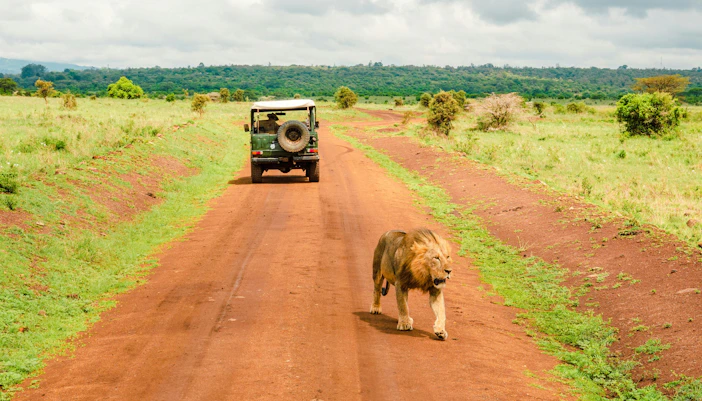
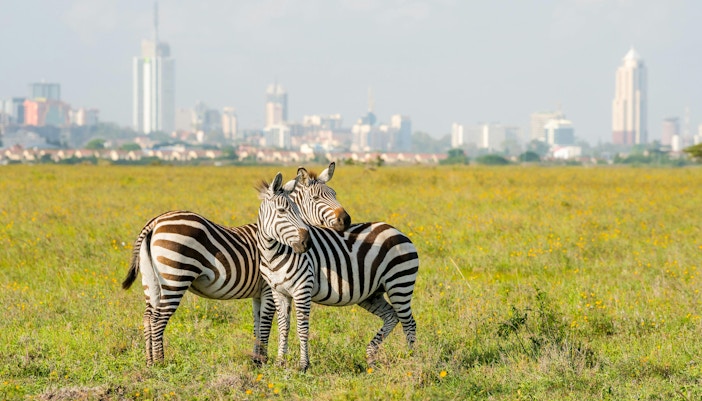
Start as close to opening as you can, then work the open plains first while visibility is sharp and the skyline light is still soft. Move next toward rhino grazing areas and permanent water, where herbivores often cluster later in the morning. Leave the farther southern grasslands for last; they’re most worth the detour in wetter months when herds spread out.
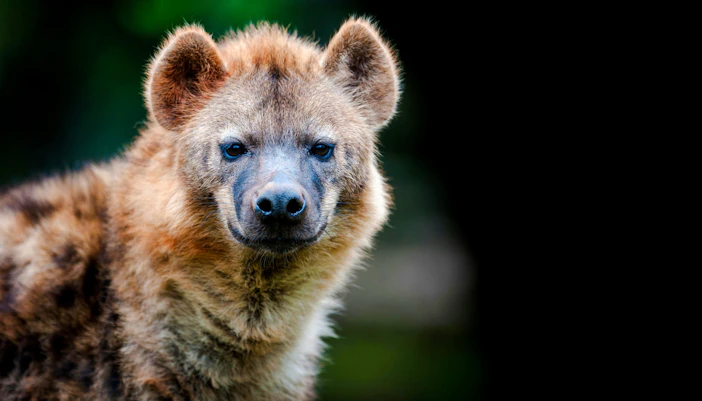
Must-see: early-morning predator tracking, black rhino sightings, and the skyline-over-savanna viewpoints. Optional: the southern plains in the wet season and a separate Nairobi Safari Walk visit, which adds 1.5–2 hours. A guided drive adds real value here because animal movement, track reading, and pacing are not obvious from the road alone.
Brief history of Nairobi National Park
- 1946: Nairobi National Park is gazetted as East Africa’s first national park, protecting savanna directly beside a fast-growing capital.
- 1963: After Kenyan independence, the park remains under national protection, confirming wildlife conservation as part of the new state’s priorities.
- 1970s–1980s: The park strengthens its role as a black rhino refuge as wider wildlife habitats across Kenya come under heavier pressure.
- 1989: President Daniel arap Moi stages the world-famous ivory burn here, turning the park into a global symbol of Kenya’s anti-poaching stance.
- 21st century: Urban growth, transport infrastructure, and fencing along the southern plains place mounting pressure on traditional wildlife movement corridors.
- Today: The park remains the only national park bordering a capital city and one of Kenya’s most accessible short-safari destinations.
Nairobi National Park is more than a convenient safari stop; it is one of Kenya’s most visible black rhino strongholds and one of the clearest examples of conservation under urban pressure. Its open southern boundary still connects, imperfectly, to wider seasonal wildlife movements across the Athi-Kapiti plains, which means the park is not just a fenced display space. Every visit sits inside a larger story about land use, migration corridors, and how a fast-growing capital decides what stays wild. That context gives even an ordinary sighting more weight.
Frequently asked questions about the Nairobi National Park
Yes. If you want a real safari without flying out of Nairobi, this is the strongest option. For the most active wildlife window, book the Sunrise Half-Day Nairobi National Park Game Drive Safari with Hotel Transfers.
Most visits take 3–5 hours. A shared or private game drive usually runs about 5 hours door to door, but a focused dawn loop inside the park can feel complete in around 3.
Don’t skip the early-morning predator search, black rhino clearings, and the skyline views where grassland meets high-rises. If you have extra time, pair the drive with the separate Safari Walk Tickets Nairobi National Park with Optional Hotel Transfers.
Yes, especially for first-timers and families with children who enjoy animals from a vehicle. Younger kids usually manage this well because there’s little walking, but patience helps since sightings depend on animal movement, not a fixed show.
Early morning is best, especially in the dry months from July to October and January to March. Sunrise departures give you cooler temperatures, softer light, and better odds of seeing lions, hyenas, cheetahs, and rhinos active.
Yes, booking ahead is the safer move. It locks in your vehicle type, transfers, and guide, and avoids last-minute scrambling during busy travel periods. The Half-Day Nairobi National Park Game Drive Safari with Hotel Transfers is the simplest entry point.


