β€Œ

Plan your visit to Nairobi National Park

Nairobi National Park is a compact urban savanna best known for lion, rhino, and giraffe sightings with Nairobi's skyline still in view. It is easier to reach than most safari parks, but the experience changes a lot depending on when you enter and whether you are self-driving or on a guided game drive. The biggest mistake is treating it like an all-day open zoo rather than a time-sensitive wildlife reserve. This guide covers when to go, how long to allow, tickets, routes, and practical ground rules.

Quick overview: Nairobi National Park at a glance

If you want the short version before you book, start here.

  • When to visit: The park is generally best visited from 6 am to 11 am, with weekday sunrise slots noticeably calmer than weekend mid-mornings, because predators are still moving and traffic at sightings is lighter.
  • Getting in: Standard park entry starts from USD 80 for non-resident adults, USD 40 for African citizens, KES 1,350 for Kenya residents, and KES 1,000 for East African citizens; Headout's guided game drives add hotel transfers and a guide, but park fees are still paid separately on most safari options.
  • How long to allow: 4-5 hours works for most visitors, while a full day makes more sense if you want to add the Elephant Orphanage, Giraffe Centre, or a slower photography-focused route.
  • What most people miss: The best skyline-and-wildlife contrast usually comes early in the drive, while the deeper plains and rhino zones reward patience more than constant stop-start searching near the gate.
  • Is a guide worth it? Yes for the main park, because animal movement, road choices, and dawn timing matter more here than they do at a fixed-route attraction; the Safari Walk is the one section you can comfortably do without a guide.

🎟️ Sunrise and half-day safari slots are the first to go in the driest wildlife-viewing months. Lock in your visit before the pickup time you want is gone.

Jump to what you need

πŸ—“οΈ How much time do you need?

🎟️ Which ticket is right for you?
β™Ώ Facilities and accessibility

Where and when to go
How do you get to Nairobi National Park?

Nairobi National Park sits in the Lang'ata area, roughly 7 km south of central Nairobi, and it is close enough to the city that traffic timing often matters more than distance.

Address: Lang'ata Road, Nairobi, Kenya

​→ Open in Google Maps

  • Hotel transfer: Included on Headout's Half-Day Nairobi National Park Game Drive Safari with Hotel Transfers, Sunrise Half-Day Nairobi National Park Game Drive Safari with Hotel Transfers, Private Half-Day Nairobi National Park Game Drive Safari with Hotel Transfers, and the full-day wildlife circuit.
  • Taxi/rideshare: Best for independent visitors who want a direct drop at the main gate without parking logistics, especially for early entry.
  • Self-drive: Useful if you already have a vehicle; park vehicle fees start from KES 600 for cars with fewer than 6 seats and rise by vehicle size.

Which entrance should you use?

Most visitors only need the main park gate, but the common mix-up is assuming the Safari Walk is part of the same entrance and ticket. It is a separate KWS facility beside the main park area and should be planned separately.

  • Main gate: Located on Lang'ata Road. Best for all game drives and self-drive park visits.
  • Safari Walk access point: Separate from the game drive route. Best for Safari Walk tickets only, not for the main park safari circuit.

Full entrances guide

When is Nairobi National Park open?

  • Monday-Sunday: 6 am-6 pm
  • Last entry: Earlier entry is strongly recommended if wildlife viewing is your priority rather than just park access
  • Safari Walk duration: Allow 1.5-2 hours for the full raised boardwalk route if you are visiting that section separately

When is it busiest? Weekend mornings, public holidays, and dry-season sunrise windows are the most crowded because they overlap with the park's best predator-viewing hours.

When should you actually go? A weekday sunrise game drive gives you the best balance of active wildlife, lighter vehicle clustering, and softer light before the heat pushes animals deeper into cover.

The park is closest to the city, but the best sightings are not

Most first-timers spend too long near the entrance because it feels busy and promising, but the stronger wildlife viewing often comes once you commit to the deeper plains during the first cool hours of the day.

How much time do you need?

Visit typeRouteDurationWalking distanceWhat you get

Highlights only

Main gate β†’ northern plains β†’ rhino and grazer zones β†’ exit

3-4 hrs

~0.5 km

Best if you want a fast wildlife hit close to Nairobi, but you may miss the quieter southern stretches and longer predator waits that often pay off later.

Balanced visit

Main gate β†’ northern plains β†’ central loops β†’ dams/picnic stop β†’ southern grassland edge β†’ exit

4.5-5 hrs

~1 km

This is the sweet spot for most visitors because you get enough time for rhinos, herd movement, and a proper circuit without turning the day into a marathon.

Full exploration

Full park circuit β†’ deeper southern loops β†’ central water points β†’ photography stops β†’ exit

6+ hrs

~1.5 km

Best for repeat visitors, photographers, or anyone serious about maximizing sightings, but it demands patience and long quiet stretches between the best encounters.

Which route suits the way you want to visit?

Safari Walk Tickets Nairobi National Park with Optional Hotel Transfers suits the raised boardwalk route. All main park game drives still require Nairobi National Park entry fees at the gate.

✨ The full park circuit is harder without a guide because sightings shift with grass height, water, and morning movement rather than fixed stops. A guided drive helps you spend less time on empty loops and more time where animals are actually active. β†’ See guided tour options

Which Nairobi National Park ticket is best for you

Ticket typeWhat's includedBest for

Safari Walk Tickets Nairobi National Park with Optional Hotel Transfers

Safari Walk access + 1.5 km raised boardwalk + 3 ecosystems + optional hotel transfers

A low-effort wildlife visit where you want eye-level viewing without committing to a full game drive

Half-Day Nairobi National Park Game Drive Safari with Hotel Transfers

5-hour game drive + hotel transfers + English-speaking guide + bottled water + Wi-Fi on board

A short Nairobi stay where you want classic safari sightings without giving up half your day to transport logistics

Sunrise Half-Day Nairobi National Park Game Drive Safari with Hotel Transfers

5-hour sunrise game drive + hotel transfers + guide + bottled water + Wi-Fi on board

A visit built around predator activity, cooler weather, and the park's strongest wildlife-viewing window

Private Half-Day Nairobi National Park Game Drive Safari with Hotel Transfers

Private 5-hour game drive + hotel transfers + English-speaking guide + bottled water + Wi-Fi on board + private jeep/open-top van choice

A flexible safari where you do not want to wait on group pacing or share sighting decisions with other visitors

Full Day Nairobi National Park Tour with Game Drive, Elephant Orphanage, Giraffe Center & Hotel Transfers

4-hour game drive + Elephant Orphanage visit + Giraffe Center visit + hotel transfers + professional guide + shared/private vehicle option

A one-day conservation circuit where you want the park plus Nairobi's best-known animal experiences in one booking

Your tour booking and your park fee are not the same thing

⚠️ Several safari options include your vehicle, guide, and transfers, but Nairobi National Park entry fees are still paid separately at the gate on most game drive products. Read the inclusions closely before arrival, because turning up without budgeting for gate fees is the easiest way to misread the real cost of the day.

How do you get around Nairobi National Park?

The park is best explored by vehicle, not on foot, and most visitors cover it in 4-6 hours depending on sightings and how deep into the reserve they go. The main wildlife circuits spread south from the Lang'ata side, while some of the best skyline views appear earlier in the drive before you move deeper into the plains.

Park zones and suggested route

  • Northern plains: Open grazing areas with strong skyline contrast and early herbivore sightings; budget 45-60 min.
  • Central loops and water points: Good for slower scanning, mixed species, and stop-start photography; budget 1-1.5 hrs.
  • Southern grasslands: Wider, quieter stretches where longer drives can pay off for more natural herd behavior; budget 1.5-2 hrs.

Suggested route: Start early, use the first cool hours for the deeper wildlife loops, and leave scenic skyline stops for your return rather than burning prime dawn time near the gate.

Maps and navigation tools

  • Map: A gate map or guided safari route works best, because the road network matters more here than the total park size.
  • Signage: Basic wayfinding helps, but it is not enough to replace local route knowledge if your goal is active wildlife rather than a scenic drive.
  • Audio guide/app: A live driver-guide adds more value than an app here because animal movement changes by hour, weather, and grass cover.
  • Large outdoor POI: Guided drives are the easiest way to avoid backtracking, especially in wet months when muddy sections and slower tracks affect route choices.

πŸ’‘ Pro tip: If wildlife is your priority, do not keep looping the first active area you find near the gate; the strongest drives usually keep moving while the morning is still cool.

What is Nairobi National Park worth visiting for?
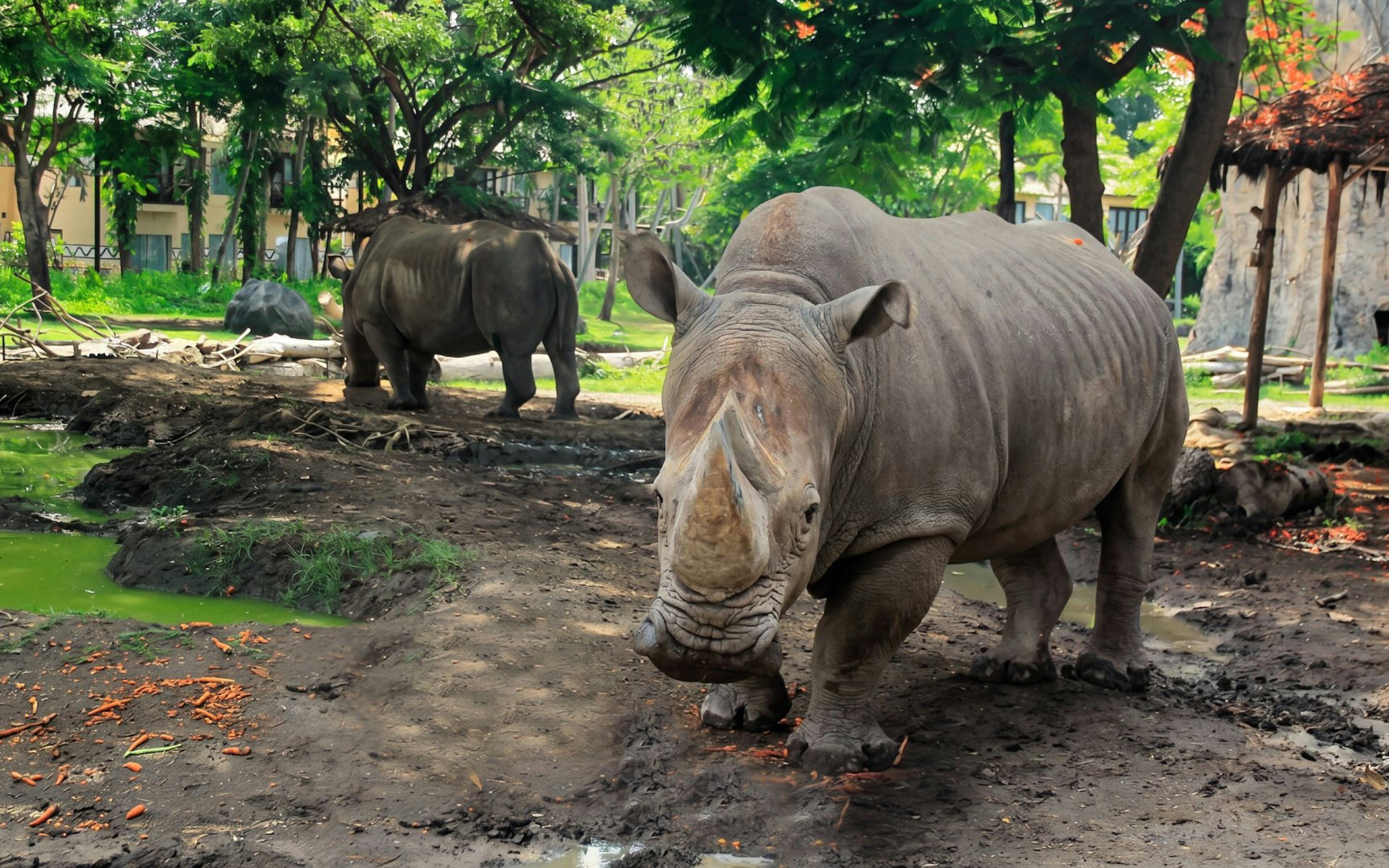
Rhinos in a lush habitat at Taman Safari Bali.
1/5

Black rhinos

Species: Black rhino

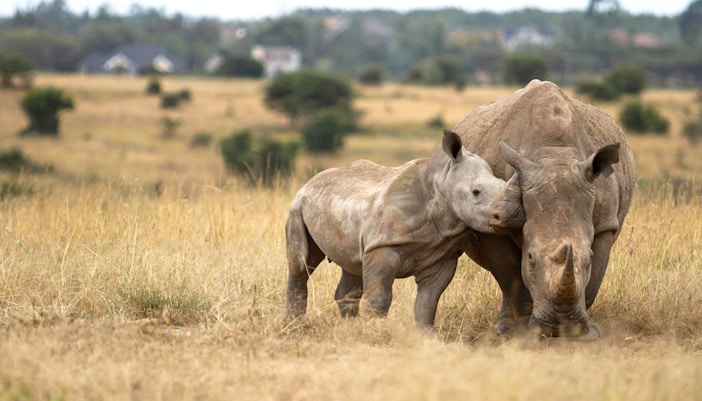
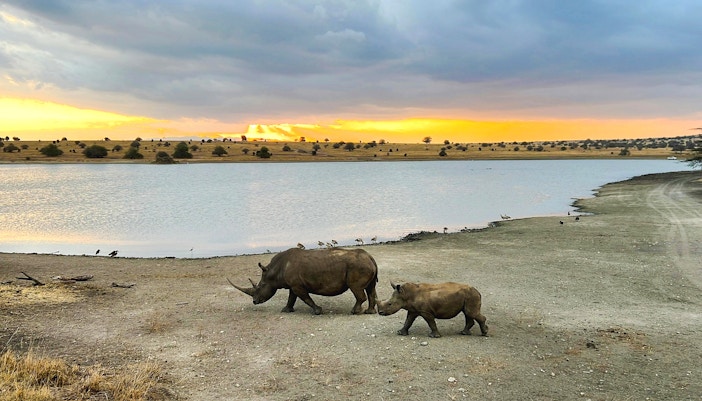
Nairobi National Park is one of the easiest places in Kenya to see black rhinos without committing to a remote safari. Early morning is the key window, when they are more likely to be grazing in open clearings before retreating as the day heats up. Most visitors keep scanning for big cats and rush past excellent rhino moments that are often shorter, quieter, and easier to miss.

Where to find it: Open clearings and grazing zones during the first part of the morning drive.

Lions and cheetahs at dawn

Species: Lion and cheetah

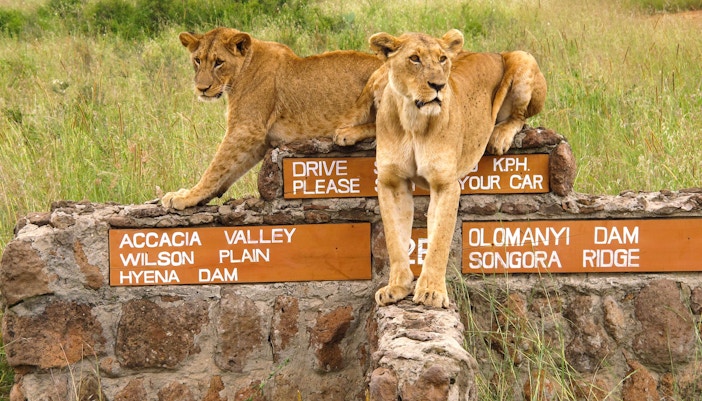
The park's sunrise hours are its sharpest wildlife window, especially for predators before the heat builds. This is why early departures matter so much more here than they do at slower, fixed-route attractions. Most visitors underestimate how quickly predator movement drops after mid-morning, then assume the park is quieter than it really is.

Where to find it: Deeper game-drive loops beyond the first northern stretches, especially on sunrise routes.

The city skyline behind the savanna

Attribute: Landscape contrast

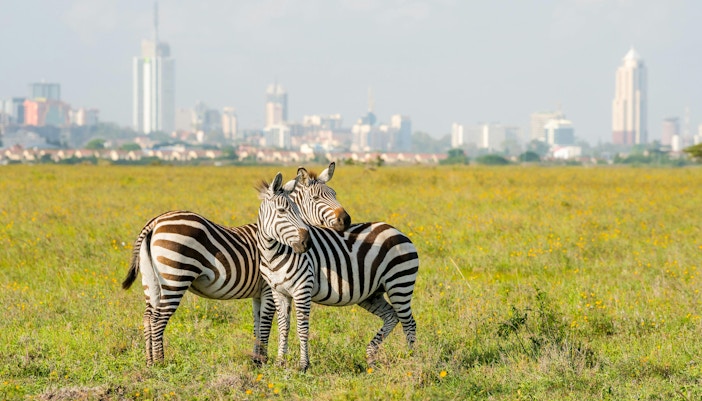
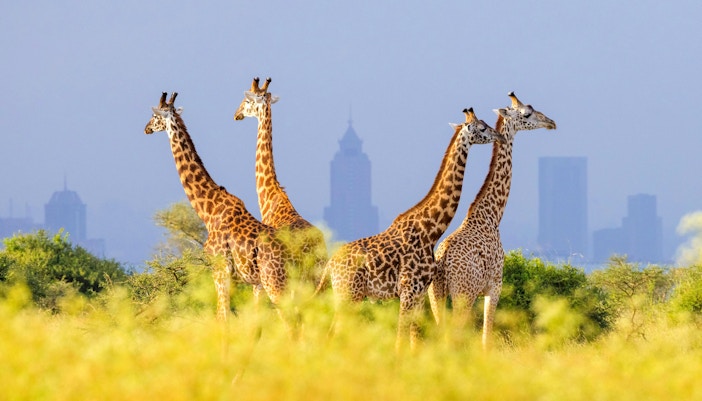
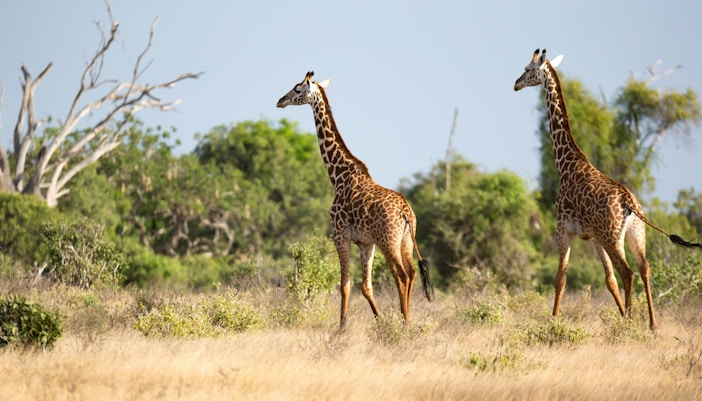
What makes Nairobi National Park distinct is not just the wildlife, but the surreal contrast of open grassland with city towers in the background. It is one of the few places where you can frame giraffes, zebras, or rhinos with Nairobi's skyline still visible. Most people focus so hard on animal counts that they miss one of the park's most memorable photo compositions.

Where to find it: Northern sections of the park earlier in the drive, before you head deeper south.

Mixed herds on the Athi-facing plains

Species: Zebra, buffalo, giraffe, and antelope

The wider plains give the park a more natural, less stop-start feel than the first busy sections near the entrance. You are more likely to appreciate herd movement, spacing, and predator-prey behavior when you stay out longer rather than turning back after a quick rhino or lion sighting. Many short visits miss this calmer side of the reserve completely.

Where to find it: Open southern and central grassland circuits during longer drives.

Safari Walk

Attribute: Raised boardwalk wildlife experience

Safari Walk is the easier, more relaxed alternative if you want wildlife viewing without a vehicle-based game drive. The 1.5 km raised boardwalk passes through wetland, savannah, and forest-style habitats and works especially well for families, seniors, or anyone who prefers steady walking over bumpy tracks. Many visitors wrongly assume it is included in park entry, then arrive without the right ticket.

Where to find it: Separate KWS facility beside the Nairobi National Park main area on Lang'ata Road.

Most visitors turn back before the park feels wild

The deeper plains are easy to miss because the first rhino and skyline sightings often happen earlier, and that makes many drivers loop back too soon. If you have the time, stay out longer before deciding the best part of the drive is over.

Facilities and accessibility

  • πŸŽ’ Bags: Reusable day bags work best, because Kenya's plastic carrier bag ban and the park's single-use plastic rules make disposable packing a bad idea.
  • 🚻 Restrooms: Restrooms are available near the Safari Walk entrance area, which is the easiest confirmed stop to plan around before or after the boardwalk.
  • πŸͺ‘ Rest areas: Benches are spaced through the Safari Walk boardwalk route, so you do not need to rush the full 1.5 km circuit.
  • πŸš™ Tour vehicle comforts: Headout's main park game drives include bottled water and Wi-Fi on board, which matters more here than at a compact indoor attraction.
  • πŸ…ΏοΈ Parking: Self-drive visitors can enter with their own vehicle, with vehicle charges starting from KES 600 for fewer than 6 seats.
  • 🩺 First aid planning: KWS visitor guidance recommends carrying a basic personal first aid kit, especially if you are visiting with children.
  • β™Ώ Mobility: Headout's half-day, sunrise, and private safari options are listed as wheelchair accessible, and the Safari Walk boardwalk has ramps where needed and a surface that is easier to manage than rough park tracks.
  • πŸ‘οΈ Visual impairments: A guided game drive is the better choice than self-drive because wildlife spotting here depends on constant scanning and local route judgment rather than fixed-view exhibits.
  • 🧠 Cognitive and sensory needs: The calmest window is early weekday morning, while loudest pressure points usually happen when several vehicles cluster around a major sighting.
  • πŸ‘¨β€πŸ‘©β€πŸ‘§ Families and strollers: The Safari Walk is stroller-friendly overall, though tighter viewing pinch points can slow movement and one adult per small child is strongly recommended.

Nairobi National Park works well for children who enjoy animals, vehicles, and open space, but younger kids usually do better with one focused experience than a very long day of stop-start waiting.

  • πŸ• Time: A 1.5-2 hour Safari Walk or a 5-hour game drive is realistic with children, but the full-day wildlife circuit suits older kids with better stamina.
  • 🏠 Facilities: Benches, accessible boardwalk sections, and restrooms near the Safari Walk entrance make that part easier for families than the longer park drive.
  • πŸ’‘ Engagement: Give children one mission at a time, such as spotting rhinos, counting giraffes, or looking for the skyline behind zebras, so the quiet stretches still feel purposeful.
  • πŸŽ’ Logistics: Bring sun protection, insect repellent, and drinks in reusable containers, and avoid planning your first wildlife experience in the midday heat.
  • πŸ“ After your visit: The Full Day Nairobi National Park Tour with Game Drive, Elephant Orphanage, Giraffe Center & Hotel Transfers is the easiest next step if your child wants closer animal encounters after the safari.

Rules and restrictions

What you need to know before you go
  • Entry requirement: Carry your booking confirmation and a valid passport or national ID, because park entry category and resident-rate checks depend on it.
  • Bag policy: Use reusable bags and bottles only, because single-use plastics and plastic carrier bags are banned inside Kenya's protected areas.
  • Re-entry planning: Treat the park as one continuous visit, because most guided safaris run as fixed-duration drives rather than hop-in, hop-out visits.

Not allowed

  • 🚫 Food and drink: Single-use plastic bottles, wrappers, straws, and other disposable plastic food packaging are banned inside the park and Safari Walk.
  • 🚬 Smoking and vaping: Keep smoke and vapor away from wildlife areas, and note that vaping products are banned from import into Kenya.
  • 🐾 Pets: Pets are not allowed in KWS-managed protected areas.
  • πŸ–οΈ Wildlife interaction: Do not feed animals, cross barriers, or leave designated visitor areas, because it is unsafe for both you and the wildlife.
  • 🚁 Drones: Drones and UAVs are prohibited inside Kenya's national parks, even if you hold a separate airspace permit.

Photography

Photography is allowed, but wildlife welfare comes first. Do not lean over rails on Safari Walk, extend phones or selfie sticks into enclosures, or use flash in ways that visibly stress animals. Drones are banned park-wide, and any photo setup that involves leaving safe visitor boundaries is off-limits.

Good to know

  • Separate access: A Safari Walk ticket does not include entry to the main Nairobi National Park game drive area.
  • Best-use rule: If you book a sunrise safari, treat the first few hours as your main event rather than something to fit around a late breakfast.
Leaving your vehicle plan midway usually costs you the best part of the drive

⚠️ Nairobi National Park is not a stop-in, stop-out attraction in practice, even when your admission is valid for the day. If you leave early for food, another errand, or a separate stop, you usually lose the strongest wildlife hours and the flow of your guided route.

Lion walking on a dirt road near a vintage jeep at Nairobi National Park, Kenya.

Practical tips

  • Booking and arrival: If wildlife is your priority, book the sunrise option rather than a later half-day slot, because the dedicated 5:30 am pickup is built around the park's strongest predator window.
  • Pacing: Do not panic if your first 30-45 minutes feel quiet; the park rewards steady scanning and route depth more than constant early stops near the gate.
  • Crowd management: Weekday mornings in the dry months usually feel smoother than weekend dawn drives because you still get active animals without as many vehicles clustering at the same sighting.
  • What to bring or leave behind: Pack neutral clothing, closed-toe shoes, sunscreen, insect repellent, and a reusable water bottle, and leave single-use plastic bottles and wrappers behind completely.
  • Food and drink: Eat before an early game drive or after it, because safari vehicles are more about timing than comfort stops, and the Safari Walk boardwalk has benches but no eateries along the route itself.
  • If you are adding other stops: The Elephant Orphanage has a fixed 11 am-12 pm public viewing window and a daily cap, so it only works well if the rest of your route is timed around it.
  • For families: Safari Walk is the gentler introduction if your group includes seniors, toddlers, or anyone who will tire of several hours in a vehicle before the best sighting happens.

What else is worth visiting nearby?

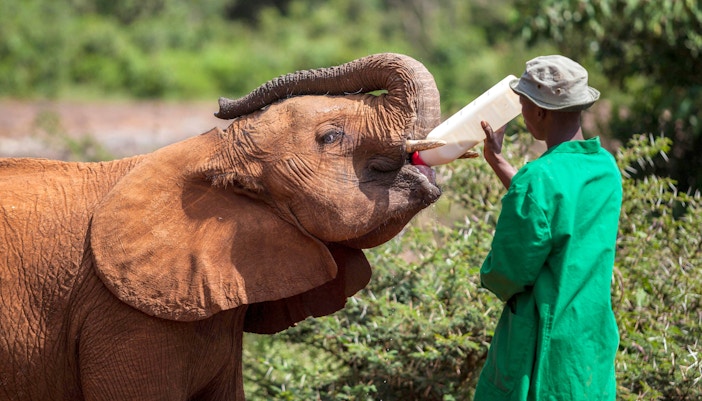
Commonly paired: David Sheldrick Elephant Orphanage
  • Distance: 6 km - 15 min drive
  • Why people combine them: The fixed 11 am-12 pm viewing window makes it one of the most logical same-day follow-ups after an early game drive.

✨ Nairobi National Park and David Sheldrick Elephant Orphanage are most commonly visited together - and simplest to do on one combined day tour. The fixed transfer flow removes the guesswork around timings and midday entry windows.

Commonly paired: Giraffe Centre
  • Distance: 11 km - 25 min drive
  • Why people combine them: It complements the park well because you move from long-range wildlife spotting to a closer, hands-on conservation experience in Karen.

Also nearby

Bomas of Kenya

  • Distance: 4 km - 10 min drive
  • Worth knowing: It is the easiest culture-focused add-on if you want your day in Lang'ata to include something beyond wildlife.

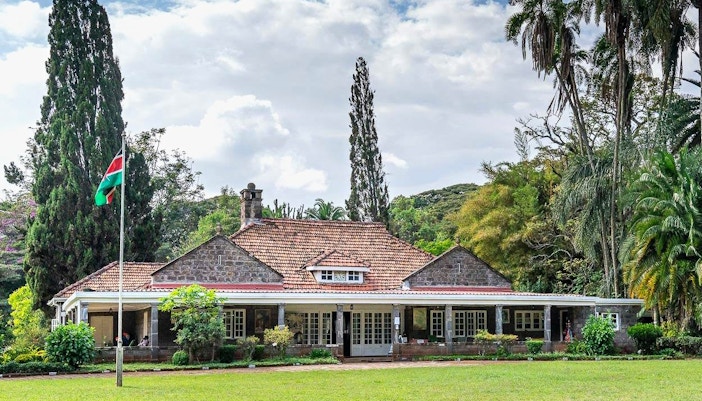
Karen Blixen Museum

  • Distance: 12 km - 25 min drive
  • Worth knowing: It is a better fit for a slower afternoon if you want history and architecture after an early safari start.

Eat, shop and stay near Nairobi National Park

  • On-site: Plan as if there is no meaningful meal stop inside the main game-drive experience, because the day works best when you eat before an early safari or after you exit.
  • Karen Blixen Coffee Garden (15-min drive, Karen Road): A reliable post-safari sit-down option if you are continuing into Karen for the museum or Giraffe Centre.
  • The Talisman (20-min drive, Ngong Road, Karen): Good if you want a longer lunch in a calmer neighborhood after the stop-start rhythm of a game drive.
  • Tamambo Karen Blixen (15-min drive, Karen Road): Practical for groups because it is close to other Karen stops and works well after a conservation-heavy morning.
  • πŸ’‘ Pro tip: If you are doing a sunrise safari, treat breakfast as something to have before pickup or much later after the drive - the early predator window is worth more than a mid-route meal stop.
  • Safari Walk gift area: Best for a light souvenir stop if you are already doing the boardwalk and do not want to add extra driving afterward.
  • Giraffe Centre gift shop: Worth saving for if you are pairing the park with Karen, because purchases directly support conservation education work.

Lang'ata and Karen work well if Nairobi National Park is a headline stop in your trip rather than a quick add-on between meetings. They are greener, calmer, and closer to the park than central Nairobi, but they are not the most efficient base if you want nonstop city sightseeing. For short wildlife-focused stays, the area makes your morning far easier.

  • Price point: The area generally skews mid-range to upscale, with the better-value stays usually a little farther from the park gates.
  • Best for: Visitors who want early safari logistics to be simple, or families who would rather avoid a very early cross-city transfer.
  • Consider instead: Central Nairobi suits shorter business trips, while Karen is the better fit for a slower, greener stay with museums, cafΓ©s, and wildlife stops built into the same district.

Frequently asked questions about visiting Nairobi National Park

Most visits take 4-5 hours, while a full circuit with slower photography stops or paired attractions can fill 6 hours or more. If you only want a quick wildlife hit, you can do less, but shorter visits are the ones most likely to miss the deeper plains and later sightings.