

Nairobi Safari Walk, at a glance

  • Ways to explore: The boardwalk is self-guided throughout; pair with a guided game drive or the elephant orphanage next door for a fuller day.
  • Coverage and entries: The full loop covers roughly 1.5km through wetland, savannah, and forest zones; no vehicle or game-drive ticket needed to enter.
  • Boardwalk access: Flat, raised wooden walkway throughout; no queues or security checks beyond the standard park gate check.
  • When to book: Weekends, school holidays, and mid-morning slots get busiest; arrive at opening or after 3pm for a quieter walk.
  • Best time windows: Mornings (8:30am–10:30am) are cooler with more animal activity; late afternoon (3:30pm–5:30pm) brings softer light for photos.
  • Accessibility and terrain: The boardwalk is flat and stroller-friendly, with no major stairs; some sections narrow near viewing points.
  • Weather plan: Expect sun with little shade on open savannah sections; light rain is common April–June and October–December.

Why visit Nairobi Safari Walk on foot?

Eye-level with the animals

Unlike a game drive, the raised boardwalk puts you level with lions, leopards, and rhinos. No vehicle roof or dust between you and the wildlife.

Three ecosystems, one short walk

Wetland, savannah, and forest habitats sit side by side along the same boardwalk. See River Mokoyet, grassland, and dense tree cover in one visit.

No game-drive vehicle needed

Walk in at your own pace without booking a jeep or van. Ideal if you're short on time or don't want a multi-hour drive.

Easier for families and seniors

Flat, stroller-friendly boardwalk with no bumpy tracks. A relaxed alternative to hours on rough park roads.

Minutes from the city centre

Located off Langata Road, about 7km from central Nairobi. No early pickup or long transfer needed.

Pairs naturally with other stops

Combine with the David Sheldrick Elephant Orphanage or a Nairobi National Park game drive nearby for a fuller day out.

What to expect at Nairobi Safari Walk

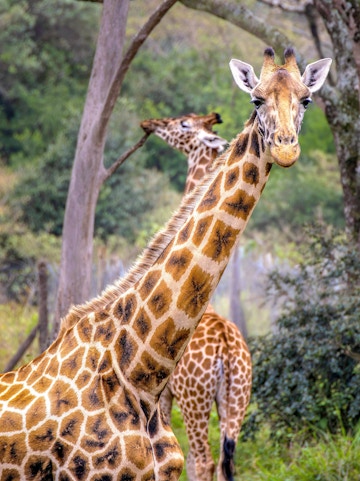
Giraffe walking along the boardwalk at Nairobi Safari Walk, surrounded by trees.
1/6

Entry and orientation

You'll enter off Langata Road at the KWS headquarters gate, about 7km from central Nairobi. A short path leads to the start of the raised boardwalk.

Onto the boardwalk

The wooden walkway is flat and elevated, keeping you above ground level as it winds roughly 1.5km through the site's three simulated ecosystems.

Wetland zone first

Early sections track River Mokoyet, where you're likely to spot crocodiles, pygmy hippos, and water birds from the boardwalk's edge.

Savannah and forest habitats

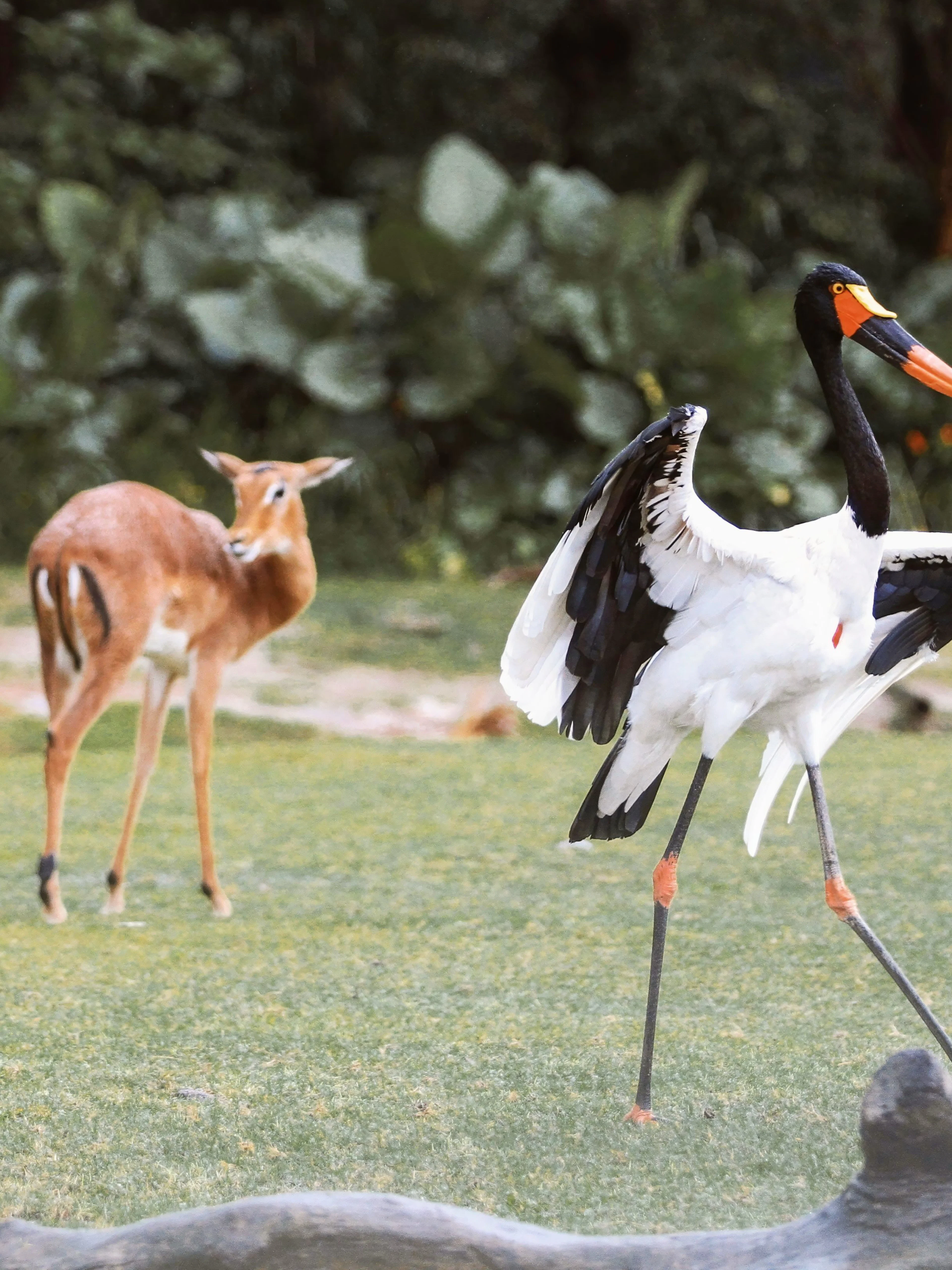
The route opens into savannah, home to rhinos, giraffes, zebras, and antelope, before entering forest cover with primates like colobus monkeys among 150+ indigenous tree species.

Predator viewing points

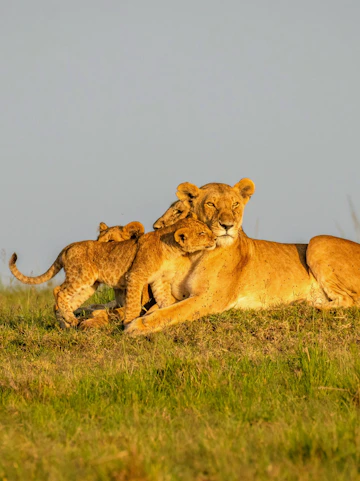
Purpose-built enclosures along the route bring you close to lions, leopards, cheetahs, and hyenas, with information boards on each species.

Children's Museum and wrap-up

Many visits end near the on-site Children's Museum and Rangers Restaurant, good spots for a break before heading back to the gate.

Ways to experience Nairobi Safari Walk

Self-guided boardwalk walk

Walk the 1.5km loop at your own pace, reading information boards at each enclosure and habitat zone. No booking beyond your entry ticket, and no time limit on how long you linger at any point.

  • Who it's good for: First-time visitors, families, independent travelers
  • Approximate time: 1 to 2 hours
  • Best time to take: Early morning or late afternoon

Combined visit with the elephant orphanage

Pair the boardwalk with a stop at the David Sheldrick Elephant Orphanage nearby, seeing rescued elephants and giraffes in the same trip out to Langata Road.

  • Who it's good for: Families, first-time Nairobi visitors, conservation-focused travelers
  • Approximate time: Half day (Safari Walk plus orphanage visit)
  • Best time to take: Morning, ahead of the orphanage's public visiting window

Combined visit with a Nairobi National Park game drive

Add the boardwalk before or after a game drive in the main park, covering both an eye-level walk and vehicle-based tracking in one outing.

  • Who it's good for: Wildlife photographers, first-time safari-goers, travelers with limited time in Nairobi
  • Approximate time: Full day
  • Best time to take: Safari Walk in the morning, game drive in the afternoon or vice versa

Wildlife and sights to see along the boardwalk

What you'll seeWhy on footInfo boards (what you learn)Pro tipTypical dwell

White rhino enclosure

Boardwalk height gives an unobstructed, close view

Signage covers rhino conservation status and ID markings

Visit morning for more activity.

5 to 10 min

Lion and leopard viewing points

Eye-level view impossible from a vehicle.

Panels explain each species' hunting and resting habits

Leopards are easiest to spot early morning

10 min

Cheetah enclosure

Open sightlines along the boardwalk edge

Boards cover cheetah speed and behavior

Cheetahs are most active in cooler hours

5 to 10 min

River Mokoyet wetland

Quiet walking keeps water birds and hippos undisturbed

Signage identifies common bird species

Best light for photos in early morning

10 to 15 min

Pygmy hippo pool

Boardwalk lets you look straight down into the pool

Panels explain this rare, elusive species

Hippos can be shy; be patient

5 min

Colobus monkey forest zone

Shaded canopy suits a slower forest walk

Boards cover the site's 150+ indigenous tree species

Good midday stop for shade

10 to 15 min

Children's Museum

A natural, air-conditioned break partway through the walk

Exhibits tie back to the wildlife you just saw outside

Good stop if walking with young kids

10 to 15 min

Weather & seasonality guide for Nairobi Safari Walk

Hot & dry (Jan–Mar)

  • Morning (8:30am to 10:30am): Cool start, clear skies, good animal activity
  • Midday (10:30am to 3:30pm): Hot and sunny; open savannah zone has little shade
  • Afternoon (3:30pm to 5:30pm): Warm but comfortable; softer light for photos
  • What to carry: Sunscreen, hat, water bottle

Hot & wet (Apr–Jun)

  • Morning (8:30am to 10:30am): Mild and fresh after overnight rain
  • Midday (10:30am to 3:30pm): Warm with possible short showers
  • Afternoon (3:30pm to 5:30pm): Cooler; good visibility between showers
  • What to carry: Light rain jacket, water bottle

Very warm & wet (Jul–Oct)

  • Morning (8:30am to 10:30am): Comfortable; occasional cloud cover
  • Midday (10:30am to 3:30pm): Warm with intermittent rain, especially Jul–Aug
  • Afternoon (3:30pm to 5:30pm): Pleasant, fewer crowds than dry season
  • What to carry: Light layers, compact rain cover

Short rains (Nov–Dec)

  • Morning (8:30am to 10:30am): Cool and often clear early
  • Midday (10:30am to 3:30pm): Warm with afternoon showers likely
  • Afternoon (3:30pm to 5:30pm): Rain possible; boardwalk stays walkable, wetland zone can be muddy off-path
  • What to carry: Rain jacket, waterproof shoes

Frequently asked questions about Nairobi Safari Walk

Most visitors complete the 1.5km loop in 1 to 2 hours, longer with young children or frequent photo stops.