Best Times & Seasons for a Nairobi Day Trip

Nairobi day trips operational timings

Experience/stopFirst departure/openingLast departure/closingFrequencyNotes

Nairobi National Park

6am

6pm

Daily

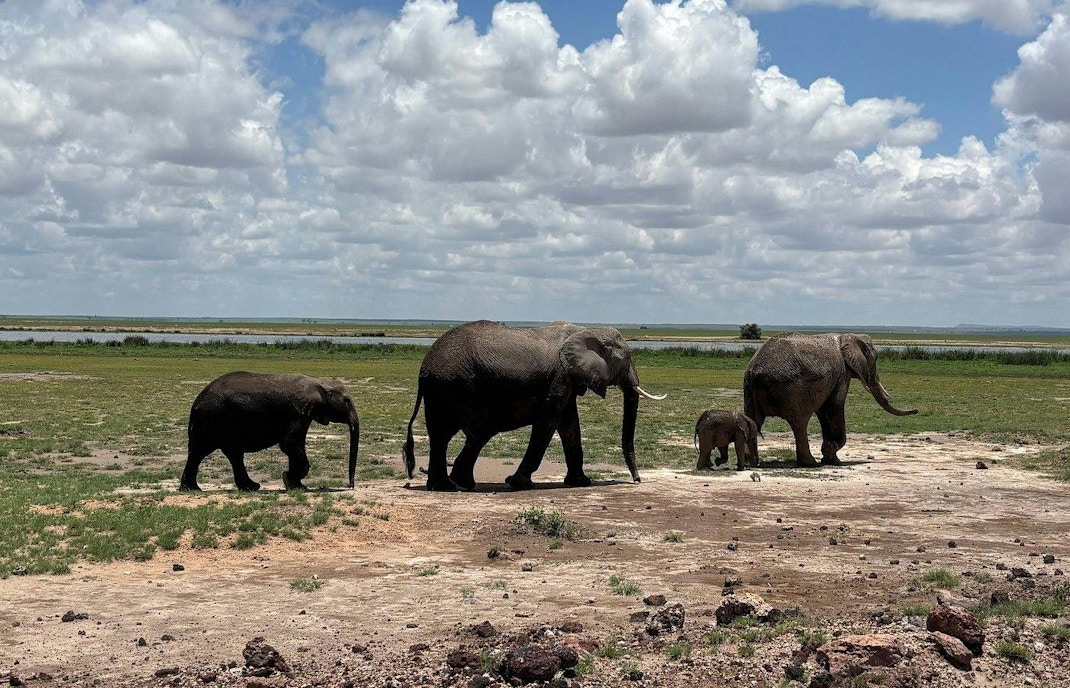
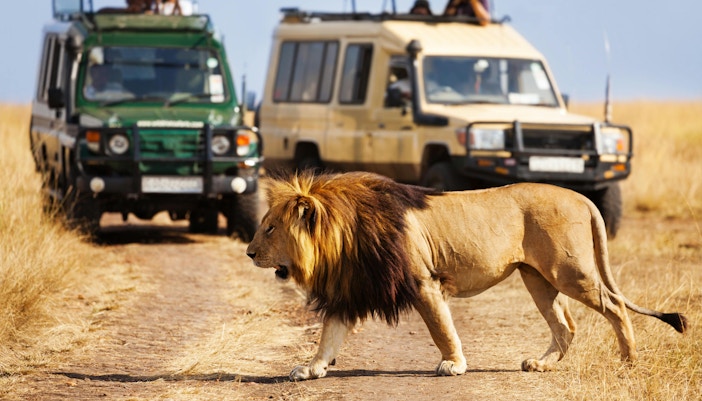
Early-entry game drives usually give you the best wildlife activity and cleaner morning light, while late starts can lose time to Nairobi traffic and park queues.

Sheldrick Wildlife Trust

11am

12 noon

1 session daily

This is a fixed public feeding and keeper-talk window, so it needs advance planning and can’t be slotted loosely around a late-running morning safari.

Giraffe Centre

9am

5pm

Daily

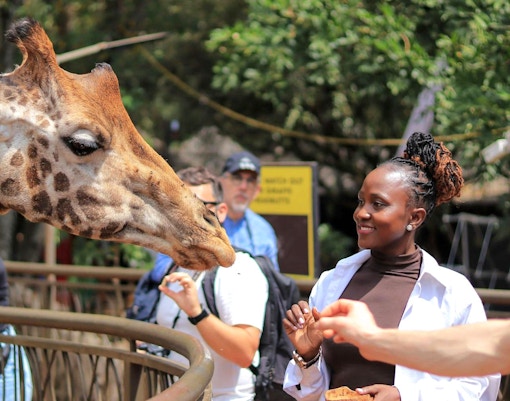
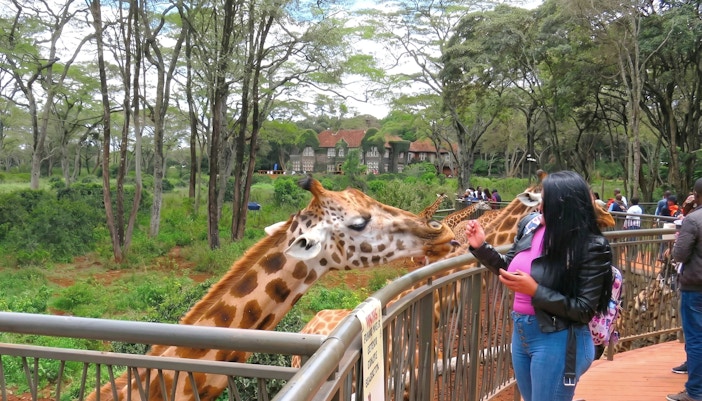
This is one of the easiest Karen-area stops to pair with a short half-day outing, but mid-morning and weekend crowding can slow photo time on the feeding platform.

Karen Blixen Museum

10am

5pm

Tuesday–Sunday

Monday closure matters if you’re booking a culture-heavy Karen circuit, especially on tours that combine the museum with giraffe feeding and a Kazuri stop.

Bomas of Kenya cultural village

9am

5pm

Daily

Works best as a later-day cultural stop after wildlife visits in Nairobi, though separate evening show timings should always be confirmed directly before travel.

Ol Pejeta day safaris from Nairobi

5am

5am

Scheduled departures

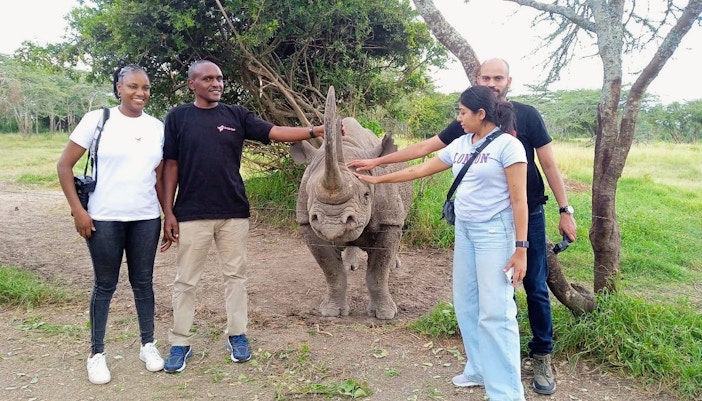
Headout’s ‘From Nairobi: Ol Pejeta Conservancy 4x4 Safari with Northern White Rhinos & Chimpanzees’ and safari-van option both start very early because the drive takes 3–3.5 hours each way.

Amboseli day safaris from Nairobi

6am

6am

Scheduled departures

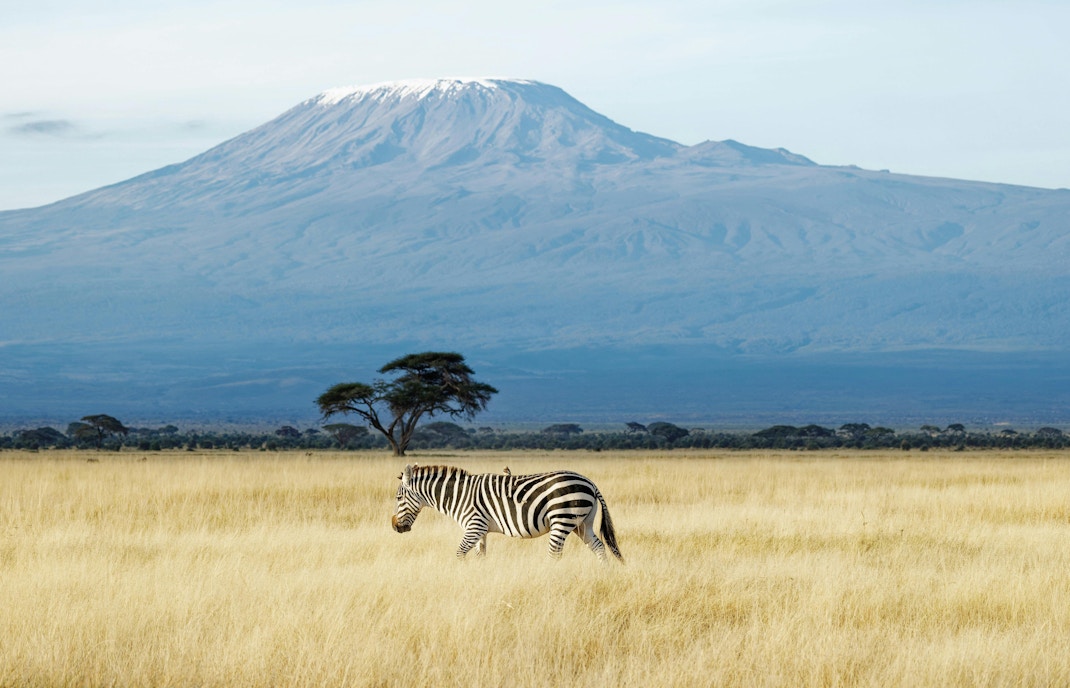
Headout’s ‘From Nairobi: Amboseli Day Safari with Kilimanjaro Views & Maasai Village Visit’ starts at 6am and returns around 7:30pm, so it effectively fills your entire day.

Things to keep in mind

  • Ol Pejeta pickups start at 5am because the conservancy is 3–3.5 hours from Nairobi, so plan for a very long day.
  • Amboseli day safaris usually leave at 6am and return around 7:30pm, which makes same-evening flights or dinner bookings risky.
  • The elephant orphanage runs a single 11am public feeding session, so late-running morning safaris can’t be paired comfortably.
  • Karen Blixen Museum is closed on Monday, so wildlife-and-culture combos need a different day if that stop matters most.
  • Mount Kenya day hikes involve altitude and a full road transfer before walking, so leave recovery time afterward.

Best time to visit Nairobi day trips

January–February
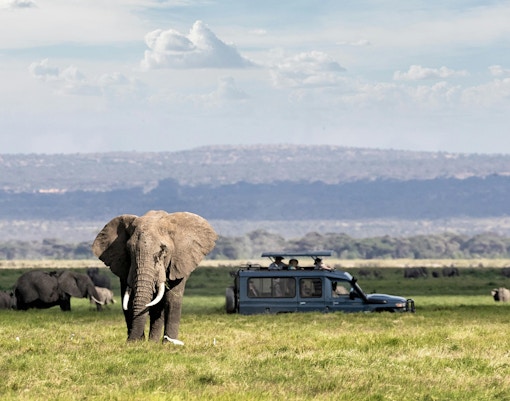
  • Pros: Warm, relatively dry weather makes city wildlife stops easy, and clear mornings improve your odds of seeing Kilimanjaro on Amboseli runs. It's also a strong window for half-day Karen itineraries and full-day safaris without the heaviest mid-year demand.
  • Cons: Dust can build on long road safaris, midday sun feels harsher on open-roof drives, and popular wildlife departures still need advance booking.

March–May

  • Pros: Landscapes turn greener, and demand usually softens, which can make multi-day Amboseli options feel less crowded. Nairobi-based cultural outings also stay manageable if you don't mind occasional showers.
  • Cons: Long rains can slow highways, muddy safari tracks, and reduce the chance of clear mountain views in Amboseli or on Mount Kenya routes.

June–September

  • Pros: This is the strongest all-round window for long wildlife day trips because roads are drier, morning visibility is better, and animal viewing is typically more comfortable. It also suits photographers booking Ol Pejeta or Amboseli departures with very early starts.
  • Cons: Peak-season demand means earlier sellouts, less pricing flexibility, and busier public wildlife centers if you choose shorter Karen-area outings instead.

October–December

  • Pros: Short rains usually keep scenery fresh without fully shutting down outdoor plans, so this period works well for mixed wildlife-and-culture itineraries. Holiday-season energy can also pair nicely with Bomas or Karen stops if you want a softer day.
  • Cons: Showers can interrupt outdoor feeding sessions and add traffic delays, while December holiday travel makes pickup timing less predictable around Nairobi.
  • Tuesday–Thursday: These are usually the smoothest days for Karen-based combinations because the Giraffe Centre is often calmer than on weekends, and Karen Blixen Museum is open. They also reduce the chance of squeezing culture stops into heavier leisure traffic.
  • Friday: Good for a half-day city escape before weekend plans, but outbound and return traffic can build earlier. If your day trip includes multiple Nairobi stops rather than one long safari, keep your afternoon flexible.
  • Saturday–Sunday: Best if you enjoy a livelier atmosphere, but expect busier feeding platforms, more family traffic at wildlife centers, and slower roads leaving central Nairobi. For photography-focused travelers, weekday departures usually feel more efficient.
  • Early morning (5am–8am): Best for long-range safari departures such as Amboseli and Ol Pejeta. You get cooler conditions, stronger wildlife activity, and more buffer against highway traffic, but it’s a demanding start and rarely suits travelers arriving late the previous night.
  • Late morning (9am–11am): Works best for shorter Nairobi outings built around the Giraffe Centre, Karen Blixen Museum, or the fixed 11am elephant visit. It’s easier on energy levels, but it’s not practical for distant parks.
  • Afternoon (1pm–5pm): Best for relaxed Karen-area touring or cultural stops like Bomas after a slower morning. It’s a poor fit for true wildlife day safaris, which need early road departures to justify the transfer time.

Weather at Nairobi and nearby day-trip destinations
January–February
  • Avg high/low: 25–27°C (77–81°F) / 12–14°C (54–57°F)
  • Conditions: Dry to mostly sunny
  • Crowds: Moderate to high
  • Visibility: Good to excellent

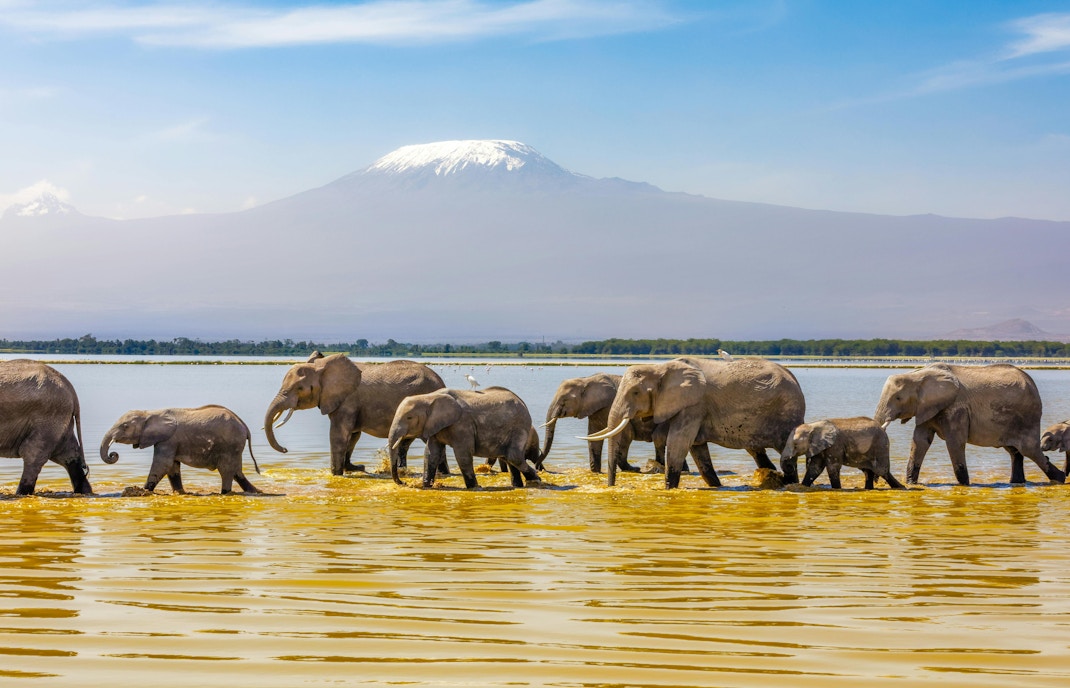
This is one of the easiest periods for wildlife day trips from Nairobi. Roads are generally reliable, early safari light is clean, and Karen-area outings feel straightforward. Mount Kenya routes remain much colder than Nairobi, so temperature drops are sharper on high-altitude hikes.

March–May

  • Avg high/low: 22–24°C (72–75°F) / 14–16°C (57–61°F)
  • Conditions: Long rains, cloudier afternoons
  • Crowds: Lower
  • Visibility: Variable

Rain brings greener scenery, but it also lengthens drive times and makes long-distance day trips feel less predictable. It’s still workable for city-based wildlife and museum combinations, though clear Kilimanjaro views and crisp mountain photography become less dependable.

June–September

  • Avg high/low: 21–23°C (70–73°F) / 10–12°C (50–54°F)
  • Conditions: Cooler, drier, clearer mornings
  • Crowds: High
  • Visibility: Excellent

This is the strongest weather window for safari-focused departures from Nairobi. Drier roads help long drives to Amboseli and Ol Pejeta, and early-start wildlife viewing is usually more rewarding. Mount Kenya day hikes feel colder and windier, so post-hike fatigue can hit harder.

October–December

  • Avg high/low: 23–25°C (73–77°F) / 13–15°C (55–59°F)
  • Conditions: Short rains with sunny breaks
  • Crowds: Moderate, rising in December
  • Visibility: Good, but changeable

This season suits travelers who want greener landscapes without the heavier long-rain disruption. Short showers can compress outdoor viewing windows, and December traffic around Nairobi often adds friction to otherwise easy half-day or full-day plans.

How long does a Nairobi day trip typically last?
4 hours
A 4-hour window is best for Karen-based outings such as the ‘From Nairobi: Giraffe Centre & Karen Blixen Museum & Kazuri Beads Day Tour’. You can cover one or two close-together stops comfortably, but not a true safari park that sits hours outside the city.

10–14 hours

This is the realistic commitment for full-day wildlife departures like Amboseli, Ol Pejeta, or the ‘From Nairobi: Mount Kenya Day Hike to Old Moses Camp’. It includes hotel pickup, long road transfers, the core experience, and the return. Keep your evening open because road fatigue is real.

2–4 days

Choose this if you want sunrise game drives, slower pacing, and less same-day transit pressure. Headout options such as the ‘From Nairobi: 2-Day Amboseli Express Safari’, ‘From Nairobi: 3-Day Amboseli Budget Camping Safari’, and ‘From Nairobi: 4-Day Amboseli & Tsavo Lodge Safari’ fit this rhythm.

Frequently Asked Questions about Nairobi day trip timings

Not realistically. Ol Pejeta and Amboseli departures start before sunrise and return in the evening, so adding the Giraffe Centre or Karen Blixen Museum usually creates a rushed day and increases the chance of missing venue closing times.